Daniel Smith's Mercatus Fellowship Story
A Culture of Growth: Daniel Smith on How Mercatus Turned Passion into Scholarship

undefinedundefined
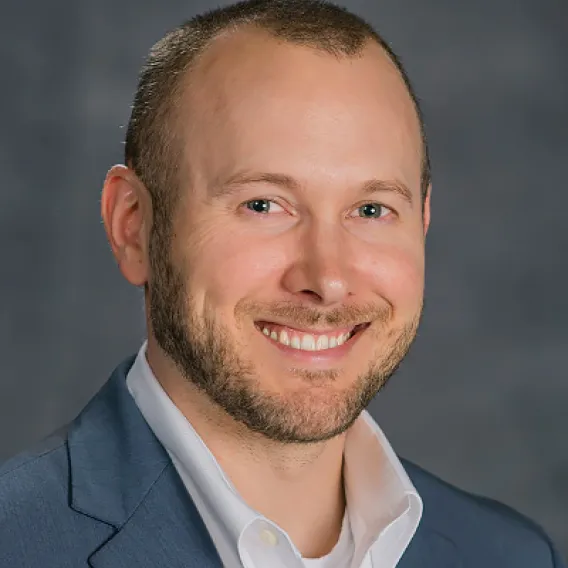
t Mercatus, Daniel Smith didn't just learn research methods; he was immersed in an intellectual culture that shaped him profoundly. Today, as Director of the Political Economy Research Institute at Middle Tennessee State University, Daniel has built that same culture with his own PhD students.
When Daniel Smith arrived at George Mason University, he was a passionate student of economics — but still unfamiliar with what it meant to be a researcher. "All I knew is I loved economics," he recalls, but understanding how to turn that passion into real scholarship was a different challenge.
It was at Mercatus where Daniel found not just training, but an intellectual culture that shaped him profoundly. “We were thinking economics from dusk to dawn,” he says. "It was just immediate — being thrown into the deep end of the pool," From seminars and student workshops to casual lunches and late-night dinners, the focus was the same: to think hard, debate honestly, and pursue the truth.
We were willing to challenge each other's ideas and nothing was sacred.
This culture of vigorous, respectful debate transformed Daniel's approach to economics. Graduate student workshops weren’t mere formalities — they were environments where students and faculty would critically engage ideas, challenge assumptions, and support each other’s growth. "We were willing to challenge each other's ideas and nothing was sacred," Daniel explains. "Constantly pushing to improve our ideas and make sure that we were being proper scholars and striving after the truth."
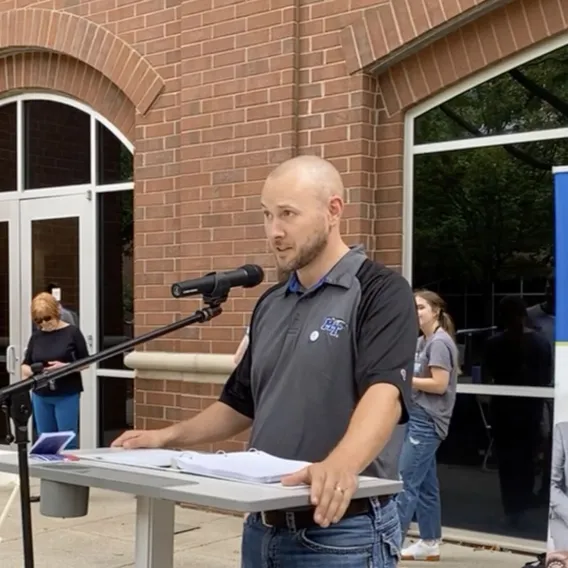
Anytime Mercatus asks me to do anything, I'm usually in the game, given that I'm so grateful for that experience.
Today, Daniel directs the Political Economy Research Institute at Middle Tennessee State University and continues to build this culture with his own students. Reflecting on what made Mercatus different, he emphasizes not just the academic training but the way that a culture of interdisciplinary study allows him to thrive: "When I interact with other economists trained at other programs, they were insular not just in economics, but within their specific field in economics.” In an academic world that often siloes scholars into narrow specialties, Mercatus encouraged breadth, curiosity, and a passion for big questions.
Even now, Daniel stays deeply involved with Mercatus programs, helping to mentor the next generation. "Anytime Mercatus asks me to do anything, I'm usually in the game, given that I'm so grateful for that experience," he says. He regularly returns as a Visiting Scholar for PPE workshops, passing along the culture of intellectual openness that shaped his own career.
The proof is in the pudding. I wouldn’t be here and many of my fellow colleagues wouldn’t be in their positions of influence without the Mercatus Center.
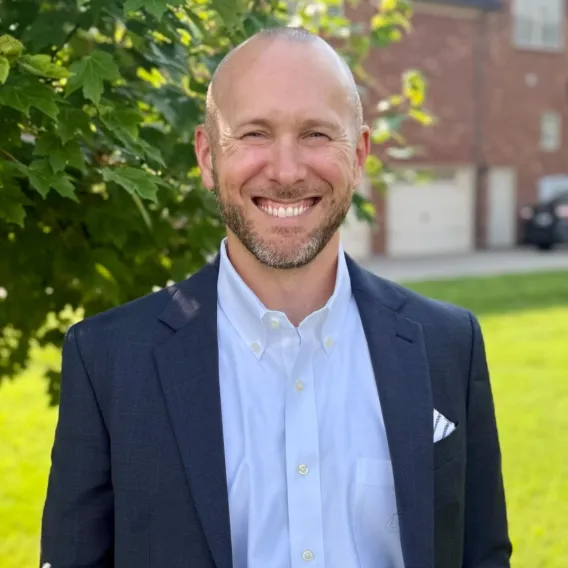
As Daniel puts it simply, “I mean, the proof is in the pudding. I wouldn’t be here and many of my fellow colleagues wouldn’t be in their positions of influence without the Mercatus Center having provided that important forum and financial support for the transmission of these ideas.” For Daniel, the scholars who came through Mercatus programs have gone on to be prolific researchers and impactful public thinkers. But more than that, they've carried forward a culture: one where scholarship is a shared endeavor, where ideas are challenged seriously but respectfully, and where the search for truth remains at the heart of academic life.
Daniel is an alumnus of the Mercatus Center’s PhD Fellowship, our flagship student fellowship program since the 1980s. Designed for economics PhD students at George Mason University, fellows receive rigorous training in market process economics, public choice, and institutional analysis through advanced coursework, close faculty and scholar mentorship, and dedicated workshops and reading groups. Alumni of the PhD Fellowship—along with graduates of our other fellowships such as the Adam Smith Fellowship—advance the study of freedom, human flourishing, and social change as scholars whose research and teaching shape the next generation.